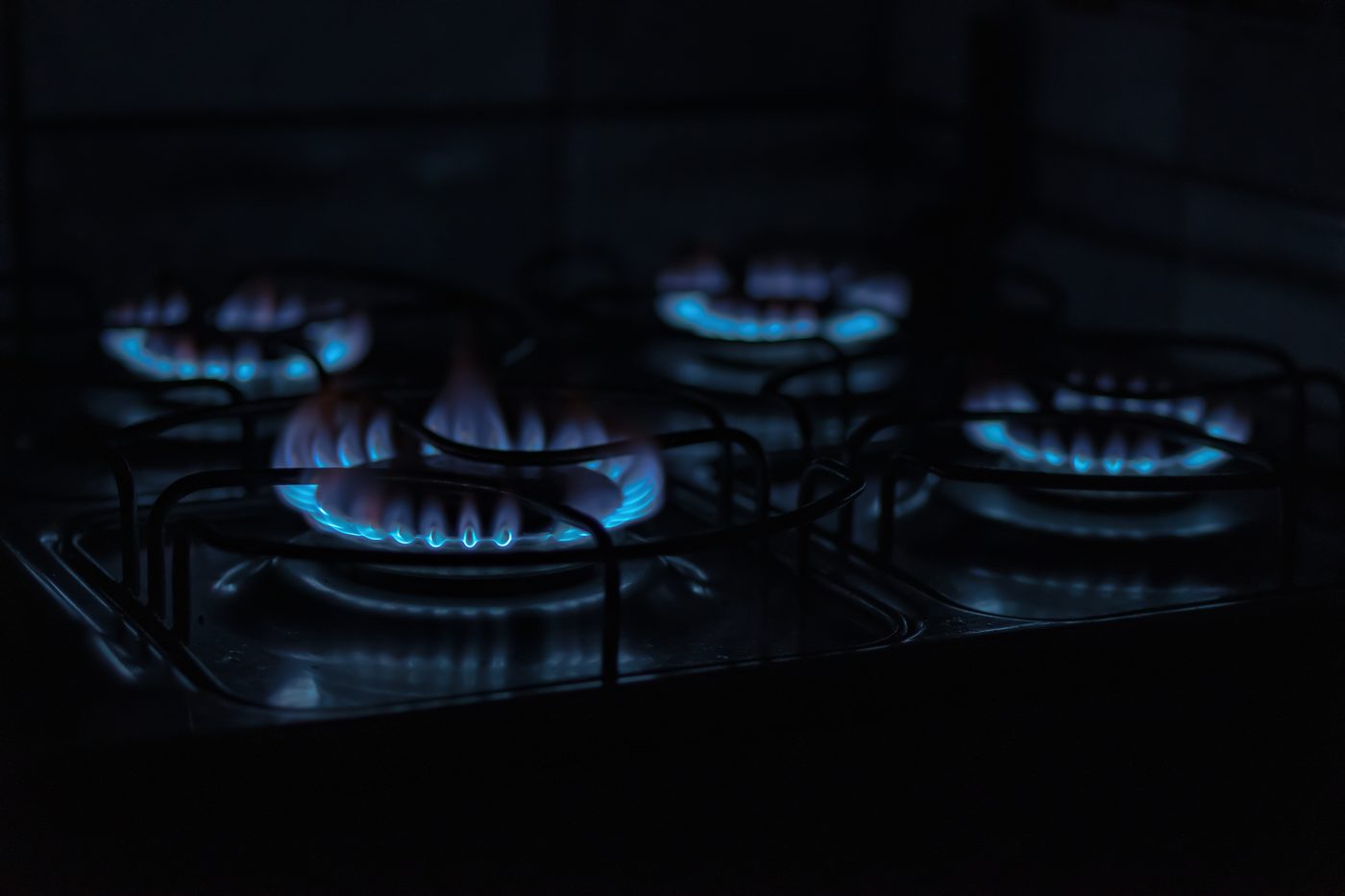
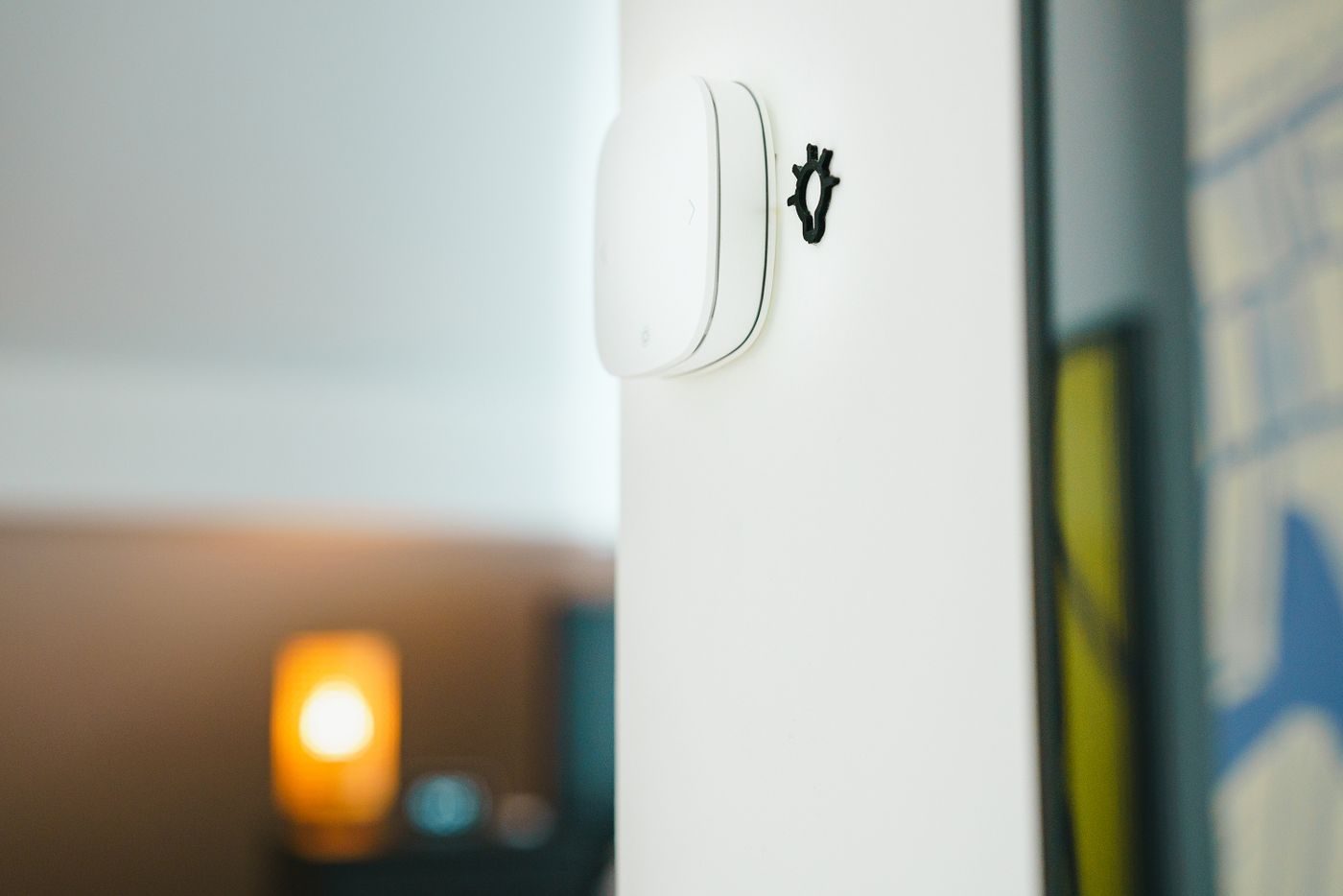
Short answer: Since 1 October 2022, landlords in England must fit a carbon monoxide alarm in every room used as living accommodation with a fixed combustion appliance, such as a gas boiler or fire. Gas cookers are excluded. Alarms must be checked on the day a new tenancy starts and repaired or replaced once reported faulty.
The rule in plain English
The Smoke and Carbon Monoxide Alarm (Amendment) Regulations 2022 came into force on 1 October 2022. For private and social rented homes in England, landlords must:
- Fit at least one smoke alarm on every storey used as living accommodation.
- Fit a carbon monoxide alarm in any room used as living accommodation that contains a fixed combustion appliance, excluding gas cookers.
- Check each alarm is working on the day a new tenancy begins.
- Repair or replace smoke and CO alarms once told they are faulty.
“Fixed combustion appliance” means anything fixed in place that burns fuel. In London that is mostly gas boilers, gas fires and gas water heaters. GOV.UK says a purely decorative fireplace that does not work is not one.
Rooms that catch landlords out
| Situation | Alarm needed? | Why |
|---|---|---|
| Combi boiler in the kitchen | Yes | Boiler is a fixed combustion appliance |
| Gas cooker only in the kitchen | No, under these rules | Gas cookers are excluded |
| Boiler in the bathroom | Yes | GOV.UK says a bathroom or toilet counts as living accommodation |
| Gas fire in a lounge now used as a bedroom | Yes | Also check HSE’s bedroom rules for gas fires |
| Boiler in a cupboard off the hall | Yes, in the hall | The alarm goes in the room used as living accommodation |
| Decorative fireplace, no working appliance | No | Not a fixed combustion appliance |
| Communal boiler in a basement plant room | Check with the building owner | The alarm duty is about rooms used as living accommodation |
GOV.UK’s general placement advice is head height, on a wall or shelf, about 1 to 3 metres from the appliance, with the maker’s instructions taking priority. Our guide on where to put a carbon monoxide alarm goes into more detail.
Why this matters so much in east London
East London has some of the highest levels of private renting in England. At the 2021 Census, 38.5% of Newham households and 38.2% in Tower Hamlets rented privately, against 20.5% across England (ONS). Newham also runs borough wide selective licensing, and Waltham Forest has its own scheme from 2025 to 2030. Licence conditions usually ask landlords to show safety measures are in place.
Housing in Stratford, Forest Gate and West Ham is a mix. Older streets are Victorian terraces, often split into flats or let as HMOs, with gas boilers and sometimes gas fires. Many newer blocks around Queen Elizabeth Olympic Park take heat from the East London Energy heat network instead of individual gas boilers (Energy UK). If a flat has no fixed combustion appliance, these CO rules may not require an alarm, but check what is actually in the flat.
HMOs
GOV.UK guidance says the regulations apply to unlicensed HMOs. Licensed HMOs are exempt from the main parts of the regulations, but only because the same requirements are written into HMO licence conditions. Either way, an HMO landlord needs CO alarms in rooms with fixed combustion appliances.
HMOs also bring gas rules from HSE. Since 31 October 1998, a room converted for sleeping should not contain a gas fire, space heater or water heater unless it is room sealed, or, for smaller appliances, room sealed or fitted with an atmosphere sensing device. A CO alarm does not make a non compliant bedroom appliance acceptable. Our guide to gas safety in a London HMO covers the wider duties.
New boilers and fires: a separate rule
The landlord rules are not the only CO alarm law. Approved Document J, the Building Regulations guidance on combustion appliances, was amended in 2022. Requirement J3 says that where a fixed combustion appliance is provided in a dwelling, provision must be made to detect and warn of carbon monoxide. In practice, when a new or replacement gas boiler or fire is fitted, a CO alarm is expected in that room. This applies to every type of home, owned or rented.
So if you replace a boiler in a rented flat in Ilford or Enfield, the installer will be looking for an alarm as part of the job, separate from your landlord duty.
A CO alarm is not a gas leak detector
This is a common mix up. Natural gas has a smell added so you can notice a leak. Carbon monoxide has no smell at all. A standard CO alarm detects carbon monoxide, not natural gas. Gas Safe Register says some models have extra functions, so check the instructions.
Tell tenants what to do in each case:
- Smell gas: open windows, no switches or flames, turn off at the emergency control valve if safe, get out, call 0800 111 999.
- CO alarm sounds: turn off appliances if safe, open windows, get out, call 0800 111 999, and get medical advice. Call 999 for severe symptoms.
Keeping a record
GOV.UK says it is the landlord’s responsibility to keep a record of when alarms are tested at the start of a tenancy. A simple way is to note it on the check in inventory with the tenant’s signature. Keep it with your landlord gas safety certificate, which records the annual check of each gas appliance and flue.
Penalties
Councils enforce these rules. Where a landlord is in breach, the council can serve a remedial notice. If the landlord does not comply with it, GOV.UK says the council can impose a fine of up to £5,000. Landlords can appeal to the First tier Tribunal.
Help with alarms and checks
London Gas Engineers can fit CO alarms when we carry out the annual gas safety check, and note them on the visit record. See our carbon monoxide alarms page for how it works.
Quick questions
Does a CO alarm count as a gas leak detector?
No, not unless the maker says the model has that feature. Gas Safe Register says some alarms have extra functions, so check the instructions. A standard CO alarm detects carbon monoxide, which has no smell, not the natural gas you can smell in a leak.
Do the alarm rules apply to my HMO?
GOV.UK guidance says the regulations apply to unlicensed HMOs. Licensed HMOs are exempt from the main parts only because the same requirements are added to HMO licence conditions under the Housing Act 2004, so in practice the duty still applies.
Is a mains or battery alarm required?
The regulations do not say. GOV.UK guidance notes that where battery alarms are chosen, sealed for life batteries are the better option than replaceable ones.
What happens if I do not comply?
The council can serve a remedial notice. If a landlord fails to comply with it, GOV.UK says the local authority can impose a fine of up to £5,000.
Last updated 23 October 2026. Written for homes in London. Rules can change, so check the linked sources for the latest position.